Skull Way: Reflex Challenge Arcade
Reviews
Skull Way: Reflex Challenge offers a simple but addictive arcade experience. The random obstacle layouts ensure high replayability, and the progressive difficulty keeps you engaged. Controls are responsive, and the global leaderboard adds a competitive edge. It is a great way to test and improve your reflexes over time.
About This Game
Game Introduction
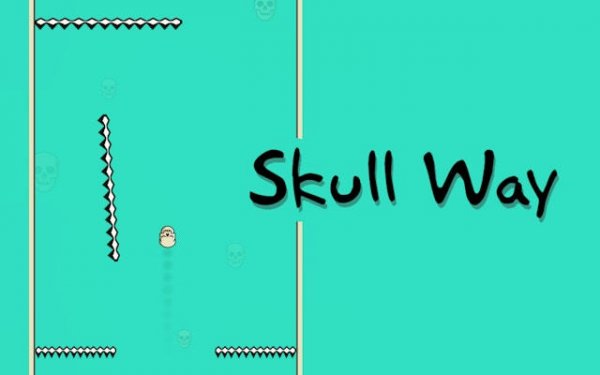
Skull Way: Reflex Challenge is a lighthearted online arcade game that tests your quick thinking and movement precision. Your goal is to guide a playful character along a winding path filled with moving obstacles, seeing how far you can go before hitting a barrier. Each run uses randomly generated obstacle layouts, ensuring new and unpredictable routes every time. The game is family-friendly and designed for players of all ages, offering endless fun without any downloads or installations. Whether you have a few minutes or want a longer session, Skull Way provides a simple yet engaging challenge that keeps you coming back.
How to Play
Playing Skull Way is easy to pick up but hard to master. Use your mouse or keyboard to move your character left and right along the path. The only rule is to avoid touching any moving platforms or barriers. As you progress, your character's speed increases, and obstacles become more complex. To achieve a high score, learn common obstacle patterns, stay calm under pressure, and focus on precise movements. Practice improves your reaction time, so don't get discouraged by early failures. The game tracks your best runs, encouraging you to beat your own records.
Game Features
The game features endless runs with progressive difficulty, global leaderboards to compare scores, and instant browser play with no downloads. Each session offers a unique challenge due to random obstacle generation. Controls are simple and responsive, making the game accessible to all ages. The cheerful visual style and upbeat atmosphere keep the experience positive and engaging.
Tips for Success
Focus on staying calm and making deliberate movements rather than panicking. Practice regularly to improve your reaction time and learn to anticipate obstacle patterns. Pay attention to the increasing speed and adjust your timing accordingly. Don't be discouraged by early failures—each run helps you improve. Use the leaderboard as motivation to beat your personal best, and take short breaks to maintain focus during longer sessions.